
Comprehensive Guide by Vasha Kaur
This article will help you understand what the gallbladder does, what gallstones are, and what to expect during and after a laparoscopic gallbladder removal surgery.
If you have any specific questions, please do contact our team click here.
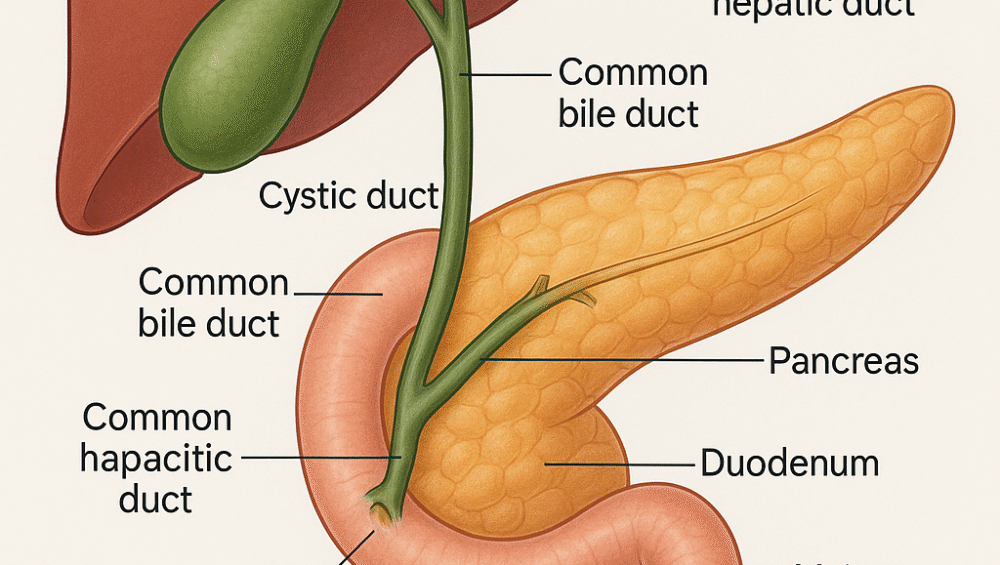
What is the Gallbladder?
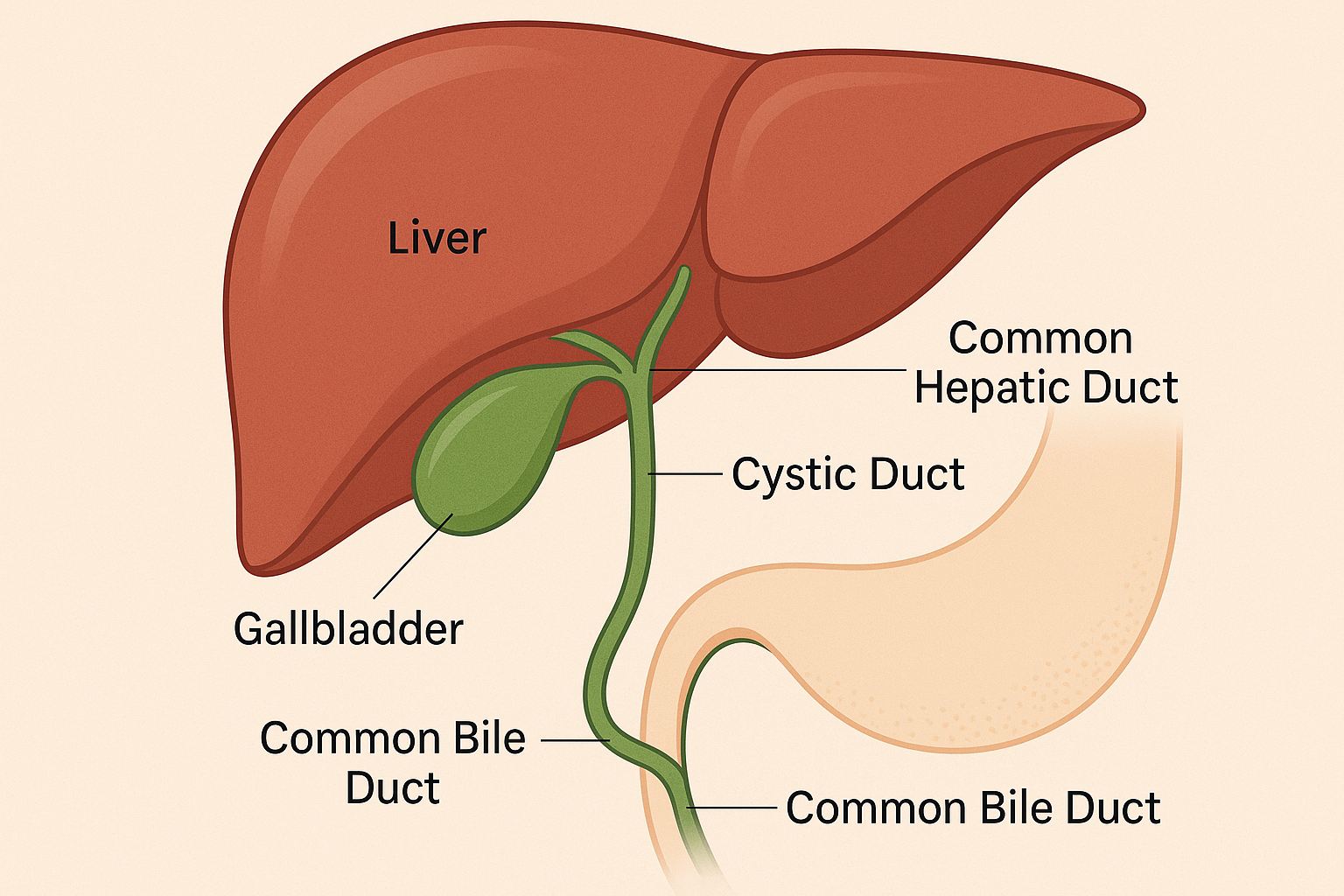
The gallbladder is a small, pouch-like organ located beneath the liver on the right side of your abdomen.
Its main job is to store bile, a yellowish fluid produced by the liver that helps digest fats. During meals, the gallbladder releases bile into the small intestine to aid digestion.
What are Gallstones?
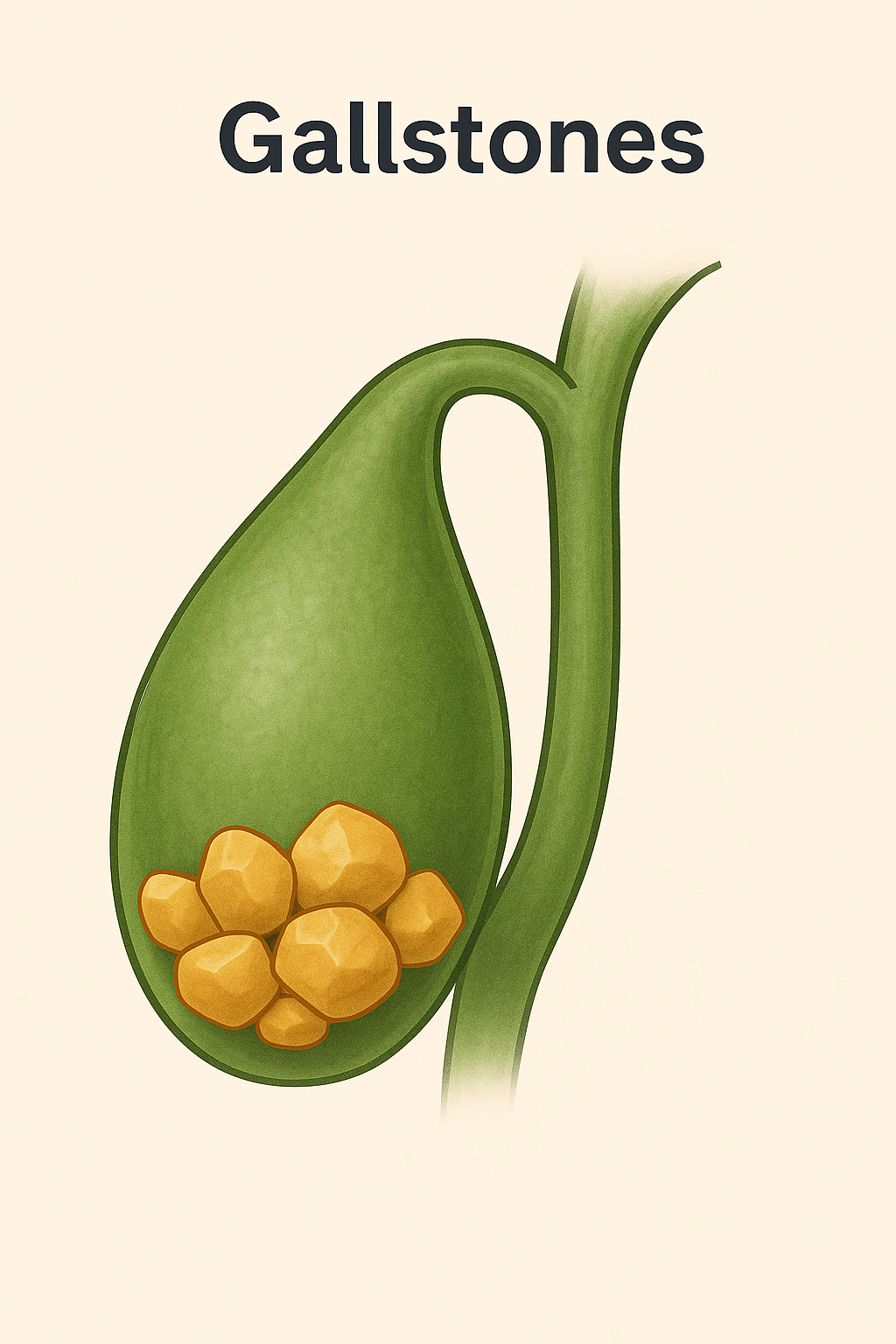
Gallstones are small, pebble-like deposits that form inside the gallbladder.
They can vary in number and size — ranging from a grain of sand to golf-ball sized — and are made up of cholesterol, bile salts, or calcium.
Causes and Risk Factors:
Gallstones are a common finding and is present in 10-15% of individuals in Europe and US.
People at higher risk of developing gallstones include
- Women
- Individuals over 40 years
- People with strong family history of gallstones
- Individuals who consume a high-fat or high-cholesterol diet
- People who are overweight or obese
- Rapid weight loss or weight gain
- Crohn’s disease or other intestinal conditions that affect absorption
- Blood disorders such as sickle cell anaemia or hereditary spherocytosis
- Pregnancy
- Hormone therapy
How can gallstones affect you?
In some patients, gallstones may be found incidentally and may not cause you any symptoms.
However, many patients may suffer with symptoms from having gallstones. This can include pain, nausea and vomiting. The pain is usually felt under the ribs on the right side of the abdomen and can occur after ingestion of fatty or fried food.
In some patients, gallstones can also cause conditions such as jaundice, cholangitis or pancreatitis, which may require more urgent management. Do consult a doctor if you develop severe pain especially if associated with a fever, yellowing of your eyes and passage of pale stools and dark urine.
Benefits of Gallbladder Removal
Gallbladder surgery (called cholecystectomy) is one of the most common and successful procedures worldwide.
After surgery, you can expect:
- Relief from gallbladder pain
- Ability to eat a normal diet again
- Prevention of complications such as infection, jaundice, or pancreatitis
The procedure is performed through a minimally invasive (laparoscopic) approach, to ensure quick recovery and minimal scarring.
Are There Alternatives to Surgery?
Non-surgical options exist but are usually temporary or less effective:
- Medication to dissolve gallstones (slow and often ineffective)
- Dietary changes such as reducing fat intake
However, these alternatives do not remove the gallbladder — meaning stones can form again.
Surgery remains the most reliable long-term solution.
The Procedure: What Happens During Laparoscopic Cholecystectomy
- You’ll receive general anaesthesia (you’ll be asleep).
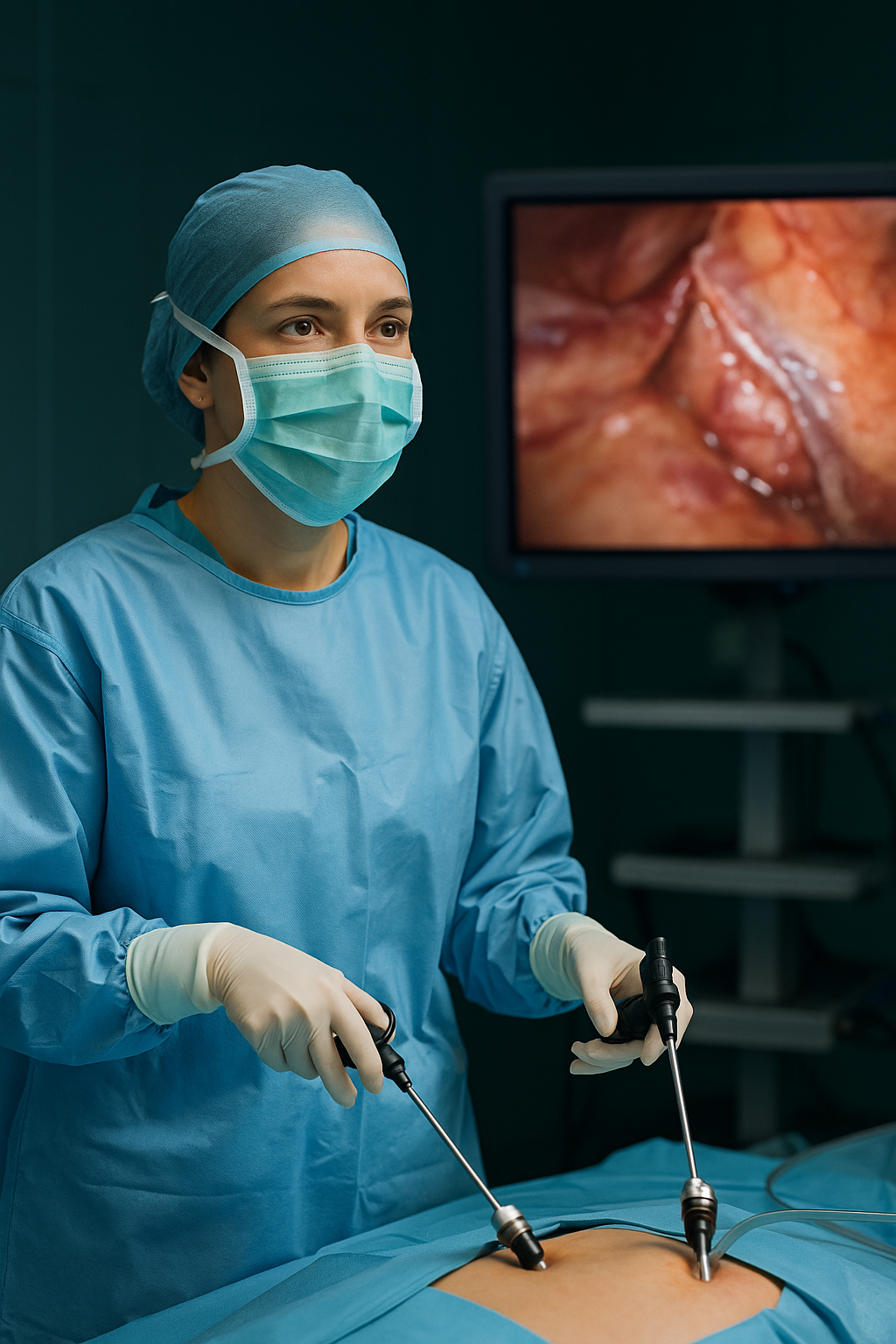
- The surgeon makes 3–4 small incisions in your abdomen.
- A tiny camera (laparoscope) is inserted to view the gallbladder on a monitor.
- The gallbladder is carefully dissected and clips applied to the cystic duct (small duct at the bottom end of the gallbladder)
- The gallbladder is then placed in a bag and removed through the small incisions at the level of the belly button (umbilicus).
The operation typically takes about one hour.
Possible Risks and Complications
Like any surgery, there are some risks, although they are rare when performed by experienced specialists.
General Risks:
- Pain or discomfort
- Bleeding
- Infection at the incision site
- Minor scarring
- Hernia at the incision site
- Blood clots
Specific Risks:
- Injury to nearby organs (liver, bile duct, intestine)
- Leakage of bile
- Retained stones in bile duct
- Diarrhoea or bloating after surgery
- Bile duct injury (rare but serious)
Every procedure is done with utmost care and safety protocols to minimise these risks.
Recovery & Aftercare
Most patients can go home the same day or the next morning.
You may feel mild discomfort for a few days, but walking and light activity help recovery.
Recovery timeline:
- Day 1–2: Return home and rest
- Week 1: Light activity, short walks
- Week 2–4: Back to work, depending on your job
- Full recovery: 2–4 weeks
Avoid heavy lifting and high-fat meals until your doctor clears you.

Why Choose Prof Vasha Kaur for Gallbladder Surgery?
You will be cared for by a highly skilled surgeon and team using with the most up-to-date team and modern facilities designed to deliver comfort and confidence.
Our Promise:
- Experienced laparoscopic surgeon
- Personalised pre-surgery counselling
- State-of-the-art equipment
- Dedicated post-surgery follow-up
Summary
Gallstones are a common digestive condition that can cause pain and discomfort.
Laparoscopic gallbladder removal is a safe, effective, and long-term treatment.
With modern surgical techniques and compassionate care, Prof Vasha Kaur helps patients return to normal life quickly and comfortably.